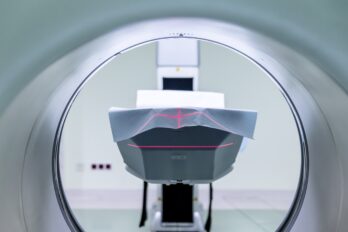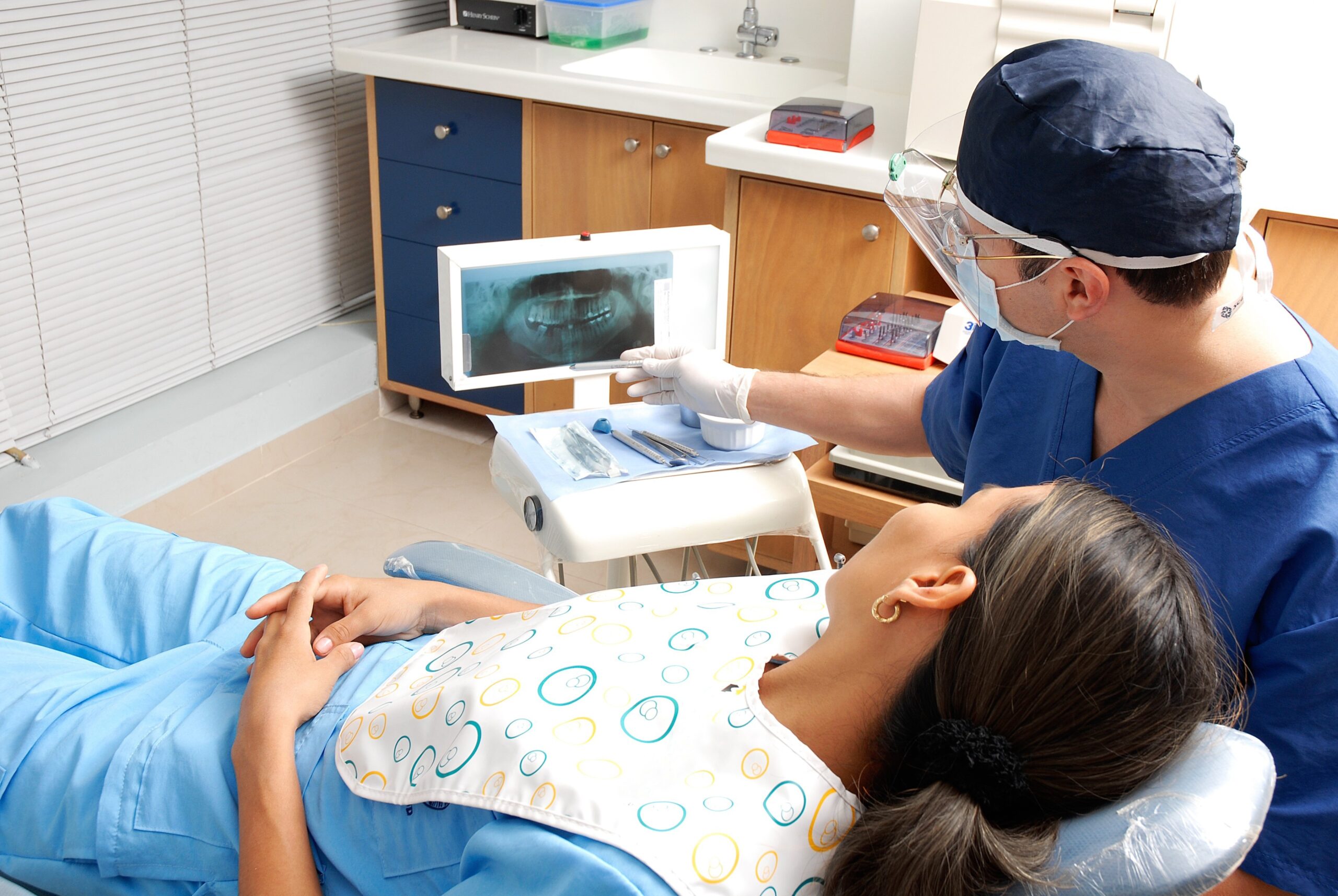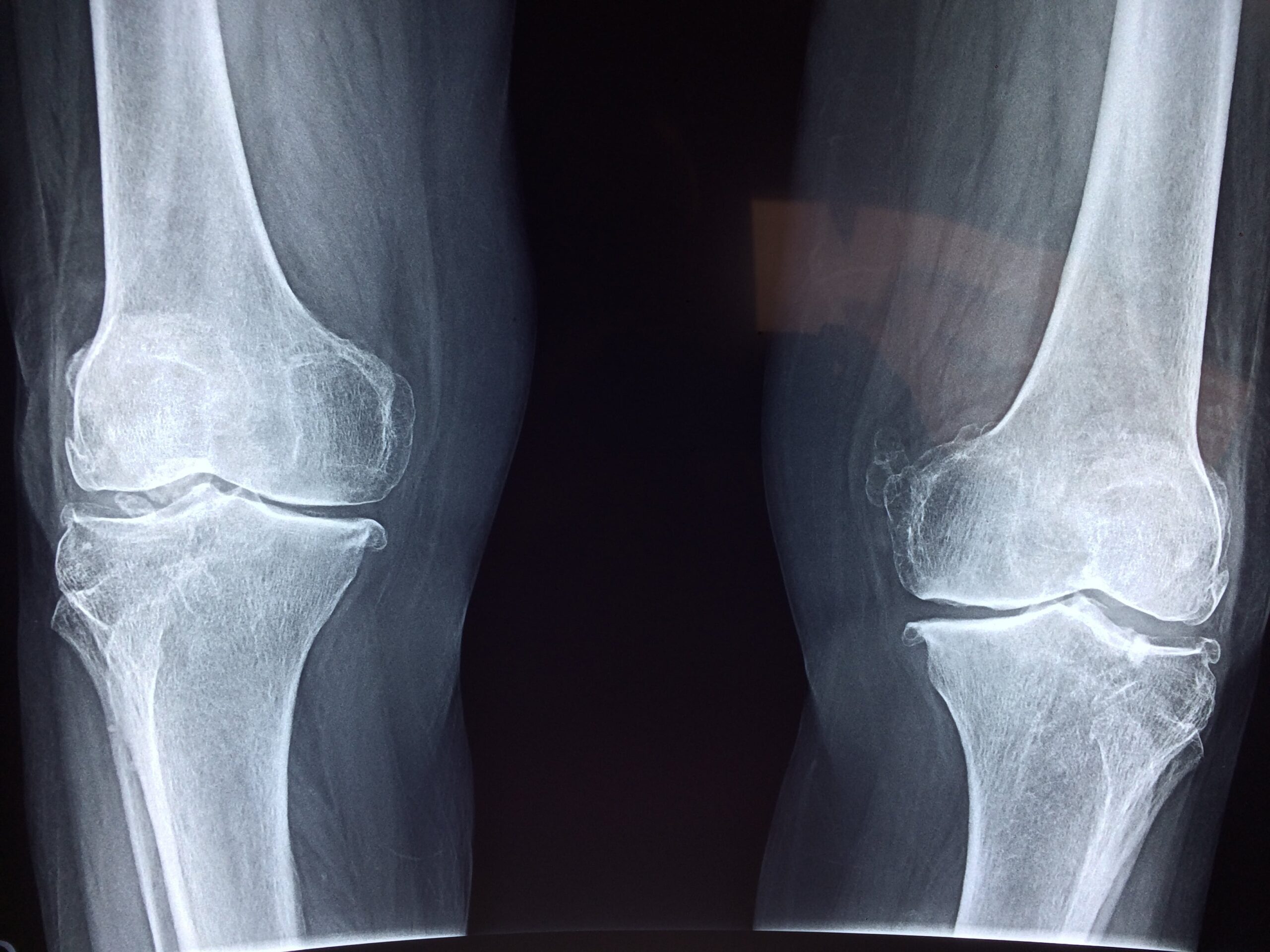
X-ray machines are essential medical imaging equipment used in hospitals, diagnostic centers, clinics, and healthcare institutions across India. They help doctors examine bones, joints, the chest, and other internal structures to identify fractures, infections, lung conditions, and several other medical problems. Modern X-ray technology has evolved significantly, with digital radiography systems offering faster image processing, improved workflow efficiency, and convenient image storage and sharing. From conventional fixed X-ray systems to portable and mobile digital radiography machines, healthcare providers can choose equipment according to their clinical requirements and available infrastructure.
India’s medical imaging market includes X-ray systems from internationally recognized manufacturers such as Siemens Healthineers, GE HealthCare, Philips, Canon Medical Systems, Fujifilm, and Agfa. These companies offer different types of equipment, including fixed digital radiography systems, mobile X-ray machines, and specialized imaging solutions. Selecting a quality X-ray machine requires careful evaluation of image quality, detector technology, radiation dose management, workflow features, installation requirements, maintenance support, and overall operating costs. Here are some leading X-ray machine manufacturers and product ranges available to healthcare providers in India.
1. Siemens Healthineers YSIO X.pree Digital X-Ray System
Siemens Healthineers is one of the leading manufacturers of medical imaging equipment, offering advanced digital radiography systems for hospitals and diagnostic centers. Its YSIO X.pree system is designed to support intelligent imaging workflows, automated positioning, and consistent image acquisition. The system incorporates AI-based camera functionalities and workflow assistance to help radiographers perform examinations efficiently. It can be considered by multispeciality hospitals and high-volume diagnostic centers that require a modern fixed digital X-ray system for different clinical applications. Siemens Healthineers India+1
2. Siemens Healthineers MULTIX Impact E Digital X-Ray System
The MULTIX Impact E is a digital radiography system designed for healthcare facilities looking for an efficient and practical fixed X-ray solution. It features a floor-mounted configuration and supports essential digital X-ray imaging requirements. Its design focuses on intuitive operation, straightforward positioning, and efficient examination workflows. The system can be suitable for hospitals, clinics, and diagnostic centers that need digital radiography for routine examinations, including chest, bone, and general skeletal imaging. Healthcare providers should compare detector options, generator specifications, and available configurations before selecting the system. Siemens Healthineers India+1
3. GE HealthCare Definium 656 HD Digital X-Ray System
GE HealthCare offers advanced digital X-ray systems designed for hospitals and diagnostic centers. The Definium 656 HD is a premium digital radiography system featuring Helix 2.0 image processing and workflow automation technologies. It supports high-resolution imaging and includes features designed to improve patient positioning, image consistency, and examination efficiency. Its FlashPad HD detector technology and automated workflow functions make it an option for healthcare facilities handling a high volume of radiographic examinations. GE HealthCare (India)
4. GE HealthCare Definium XR/f Digital X-Ray System
The Definium XR/f is a floor-mounted digital radiography system designed to support a wide range of general X-ray examinations. Its compact configuration makes it suitable for facilities that need to consider room space and infrastructure requirements. The system supports different patient positioning requirements and offers wireless detector options. GE HealthCare also highlights its image preview and processing capabilities, flexible patient table, and dose-efficient imaging features. It can be considered by hospitals and diagnostic centers looking for a versatile digital X-ray system for routine examinations. GE HealthCare (India)+1
5. Philips MobileDiagnost wDR 2.1 Digital Mobile X-Ray
Philips offers mobile X-ray solutions designed to bring diagnostic imaging directly to patients. The MobileDiagnost wDR 2.1 is a digital mobile radiography system intended for bedside imaging in hospital environments. It is designed to support examinations in intensive care units, emergency departments, operating rooms, and general patient wards. Its wireless detector technology and mobile configuration help radiographers perform examinations without transferring patients to a fixed X-ray room. Depending on the selected configuration, the system offers different generator performance options to meet hospital imaging requirements. 5C
6. Canon Medical Systems RADREX i5 Digital X-Ray System
Canon Medical Systems provides digital radiography equipment designed to support image quality, patient care, and efficient diagnostic workflows. Its RADREX i5 system is designed for general radiography and incorporates advanced dose-control features and AI-driven assistance. The system supports different examination requirements and is intended to help radiology teams perform consistent imaging procedures. Hospitals and diagnostic centers can consider this system for general X-ray services, including chest, skeletal, and other routine radiographic examinations. Canon Medical Systems India Private Limited+1
7. Canon Medical Systems Mobirex i9 Mobile X-Ray
The Mobirex i9 is a mobile X-ray system designed to provide bedside radiography in hospitals and healthcare facilities. Its compact configuration and maneuverable design help radiographers move the machine through hospital corridors and patient-care areas. Canon highlights its digital wireless imaging technology and an integrated smart monitor on the tube head to support radiography workflows. It can be useful in intensive care units, emergency departments, operating rooms, and general wards where patients may not be able to travel to a fixed imaging room. Canon Medical Systems India Private Limited
8. Fujifilm FDR Smart X Digital Radiography System
Fujifilm offers digital radiography systems for hospitals, clinics, and diagnostic centers. The FDR Smart X is a versatile fixed digital X-ray system available in different floor-mounted and ceiling-mounted configurations. It supports automated positioning and digital detector technology to help radiology departments manage routine examinations efficiently. One important feature of its product range is the availability of different generator configurations, which can help healthcare facilities evaluate equipment according to their electrical infrastructure and imaging requirements. Fujifilm Healthcare Solutions India+1
9. Agfa DR 800 Digital Radiography and Fluoroscopy System
Agfa Radiology Solutions offers the DR 800, an integrated digital imaging system designed to combine general radiography and fluoroscopy in one solution. This system supports a range of examinations and advanced clinical applications, making it an option for hospitals that require more than conventional static X-ray imaging. Its MUSICA image-processing technology is designed to support image quality and dose-efficient imaging workflows. The DR 800 may be particularly useful for healthcare facilities looking for a multipurpose radiography and fluoroscopy room. Agfa Radiology Solutions+1
10. Skanray Skanmobile DR Digital Mobile X-Ray
Skanray Technologies is an Indian medical technology company offering mobile and fixed X-ray systems. Its Skanmobile DR is a mobile digital radiography system designed for bedside imaging in hospitals, intensive care units, emergency departments, and other clinical environments. The system features a 4 kW high-frequency generator, a wireless 14 × 17-inch flat-panel detector, and an integrated touchscreen workstation. It also includes wireless detector charging and battery backup features to support mobile imaging workflows. Its compact design makes it an option for healthcare facilities looking for an Indian-manufactured mobile digital X-ray solution. world.skanray.com
Factors to Consider When Choosing a Top-Quality X-Ray Machine in India
Selecting a high-quality X-ray machine requires careful evaluation of the healthcare facility’s clinical requirements, patient volume, available infrastructure, and budget. One of the first decisions is choosing between conventional analog X-ray, computed radiography (CR), and digital radiography (DR). Digital radiography systems use flat-panel detectors to capture images electronically and generally provide faster image availability and convenient digital storage. CR systems use imaging plates that require a separate reader, while conventional analog systems use film-based imaging. Hospitals planning to establish a modern diagnostic department may consider DR technology because of its digital workflow and image-sharing capabilities.
Image quality is another important factor when comparing X-ray machines. Healthcare providers should evaluate detector technology, pixel size, spatial resolution, image processing software, generator performance, and available imaging applications. A good imaging system should support clear diagnostic images while allowing radiology professionals to follow appropriate exposure protocols. Radiation dose management is equally important. Features such as automatic exposure control, exposure indicators, dose monitoring, and optimized imaging protocols can help radiology teams manage radiation exposure. The actual dose depends on the examination, patient characteristics, equipment configuration, and exposure settings.
The type of X-ray machine should also match the intended clinical environment. Fixed digital X-ray systems are generally suitable for hospitals and diagnostic centers that perform a high number of routine examinations. Mobile X-ray systems are useful in ICUs, emergency departments, operating rooms, and hospital wards where patients cannot easily be transferred. Portable X-ray machines may be suitable for selected bedside services, medical camps, and remote healthcare settings. Before purchasing, hospitals should also consider detector sizes, table configuration, wall stands, generator power, room dimensions, and electrical requirements.
After-sales service and regulatory compliance are essential when investing in medical imaging equipment. Buyers should check the manufacturer’s service network in India, availability of trained engineers, spare parts supply, software support, warranty coverage, and preventive maintenance arrangements. They should also verify applicable AERB requirements and obtain the necessary regulatory documentation for the exact machine configuration. Installation, radiation shielding, quality assurance, staff training, and ongoing maintenance should be included in the overall project budget.
Difference Between Analog, CR, and DR X-Ray Machines
X-ray systems are available in different technologies, and understanding these differences can help healthcare providers select suitable equipment.
Analog X-Ray Machines: These systems use traditional film-based imaging. After an X-ray exposure, the film must be processed to produce the image. Although analog systems may still be found in some facilities, they involve chemical processing and do not provide the same digital workflow advantages as modern systems.
Computed Radiography (CR) Machines: CR systems use special imaging plates instead of conventional X-ray film. After exposure, the plates are processed through a CR reader to produce digital images. This technology allows healthcare facilities to move towards digital imaging without necessarily replacing their entire X-ray setup.
Digital Radiography (DR) Machines: DR systems use electronic flat-panel detectors to capture X-ray images directly. Images are generally available quickly on a workstation and can be stored, reviewed, and shared through compatible digital systems. DR technology is widely used in modern hospitals and diagnostic centers because it supports efficient imaging workflows.
Types of X-Ray Machines Available in India
The Indian medical equipment market offers different types of X-ray machines for various clinical applications. Fixed digital X-ray machines are commonly installed in dedicated radiology rooms and are used for routine chest, bone, and general radiographic examinations. Mobile X-ray machines are designed to move between hospital departments and provide imaging at the patient’s bedside. Portable X-ray machines are generally smaller and can be useful in specific situations where conventional mobile equipment may not be practical.
Specialized systems are also available for particular medical procedures. Fluoroscopy systems provide real-time X-ray imaging and are used for selected diagnostic and interventional procedures. Mammography systems are specifically designed for breast imaging, while C-arm systems are commonly used in operating rooms for image-guided procedures. Healthcare providers should select equipment according to the examinations they plan to perform rather than choosing a machine only because it has advanced features.
Leading X-Ray Machine Manufacturers in India
India’s medical imaging market includes several international and domestic manufacturers offering different X-ray technologies. Siemens Healthineers provides the MULTIX and YSIO digital radiography ranges, along with mobile X-ray systems. GE HealthCare offers Definium fixed radiography systems and AMX mobile X-ray equipment. Philips provides mobile digital radiography solutions, while Canon Medical Systems offers RADREX and Mobirex product ranges. Fujifilm provides FDR digital radiography systems, and Agfa Radiology Solutions offers integrated systems such as DR 800.
Indian manufacturers such as Skanray Technologies and other domestic medical equipment companies also offer X-ray solutions for hospitals, diagnostic centers, and smaller healthcare facilities. Each manufacturer has different models, configurations, and service arrangements. Healthcare providers should compare technical specifications, clinical applications, regulatory documentation, and long-term support before making a purchase decision.
Why Are Advanced X-Ray Machines Important for Indian Healthcare?
Advanced X-ray machines are important for India’s healthcare sector because they support the early investigation and diagnosis of many common medical conditions. Doctors frequently use X-ray imaging to examine bone fractures, chest abnormalities, joint conditions, certain infections, and other health problems. Digital radiography can also improve the efficiency of diagnostic departments by making images available quickly and supporting electronic storage and sharing.
Modern imaging technology can help hospitals manage increasing patient volumes while supporting more consistent imaging workflows. Mobile X-ray systems are especially valuable in critical care environments because they allow patients to undergo imaging without being moved to a separate radiology department. Digital detectors, image-processing software, dose-management features, and integration with hospital information systems are also helping healthcare facilities modernize their diagnostic services.
Conclusion
India offers a wide range of quality X-ray machines from leading manufacturers, including Siemens Healthineers, GE HealthCare, Philips, Canon Medical Systems, Fujifilm, Agfa, and Skanray Technologies. Systems such as Siemens YSIO X.pree and MULTIX Impact E, GE Definium 656 HD and XR/f, Canon RADREX i5 and Mobirex i9, Fujifilm FDR Smart X, Agfa DR 800, and Skanray Skanmobile DR provide different imaging capabilities for hospitals and diagnostic centers. The best X-ray machine depends on the clinical applications, image quality requirements, detector technology, radiation dose management, patient volume, infrastructure, and maintenance support. Healthcare providers should compare complete technical specifications, verify regulatory requirements, and consult qualified radiology professionals before investing in an X-ray system.
SEO Details
SEO Title: Top Quality X-Ray Machines in India: Leading Brands and Models
Meta Description: Explore top-quality X-ray machines in India from Siemens, GE HealthCare, Philips, Canon, Fujifilm, Agfa, and Skanray. Compare digital, mobile, and advanced X-ray systems.
Focus Keyword: Top quality X-ray machines in India
Secondary Keywords: Best X-ray machines in India, digital X-ray machines in India, X-ray machine manufacturers in India, portable X-ray machines, mobile X-ray machines, digital radiography systems, hospital X-ray equipment, DR X-ray machines.
Suggested URL Slug: top-quality-x-ray-machines-in-india
Suggested FAQs
1. Which are the leading X-ray machine brands in India?
Some leading X-ray machine manufacturers serving the Indian market include Siemens Healthineers, GE HealthCare, Philips, Canon Medical Systems, Fujifilm, Agfa Radiology Solutions, and Skanray Technologies.
2. Which X-ray machine is better, CR or DR?
DR systems capture images directly through electronic detectors, while CR systems use imaging plates that must be processed through a reader. DR generally offers a faster digital workflow, but the best choice depends on the facility’s requirements and budget.
3. What is the difference between fixed and mobile X-ray machines?
Fixed X-ray machines are installed in dedicated imaging rooms, whereas mobile X-ray machines can be moved between hospital departments for bedside examinations. Mobile systems are particularly useful in ICUs, emergency departments, and operating rooms.
4. Are digital X-ray machines available in India?
Yes. Several manufacturers offer digital radiography systems in India, including Siemens Healthineers, GE HealthCare, Philips, Canon Medical Systems, Fujifilm, Agfa, and Skanray.
5. What factors affect the price of an X-ray machine in India?
The price depends on the manufacturer, model, generator power, detector technology, software, accessories, installation requirements, warranty, and service agreements. Buyers should request a detailed quotation for the complete configuration.
6. Which X-ray machine is suitable for a small diagnostic center?
A compact fixed digital radiography system may be suitable for a diagnostic center performing routine X-ray examinations. The choice should depend on expected patient volume, available room space, electrical infrastructure, budget, and required imaging applications.
7. What is a mobile digital X-ray machine used for?
A mobile digital X-ray machine is used to perform imaging at the patient’s bedside. It is commonly used in intensive care units, emergency departments, operating rooms, and hospital wards.
8. What approvals should be checked before buying an X-ray machine in India?
Healthcare providers should verify applicable AERB regulatory requirements, model-specific type approval where required, installation permissions, radiation safety arrangements, and quality assurance documentation before using the equipment.