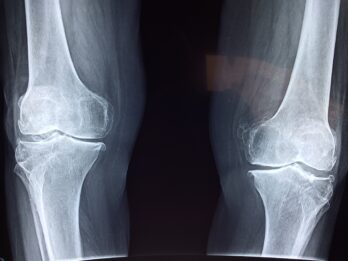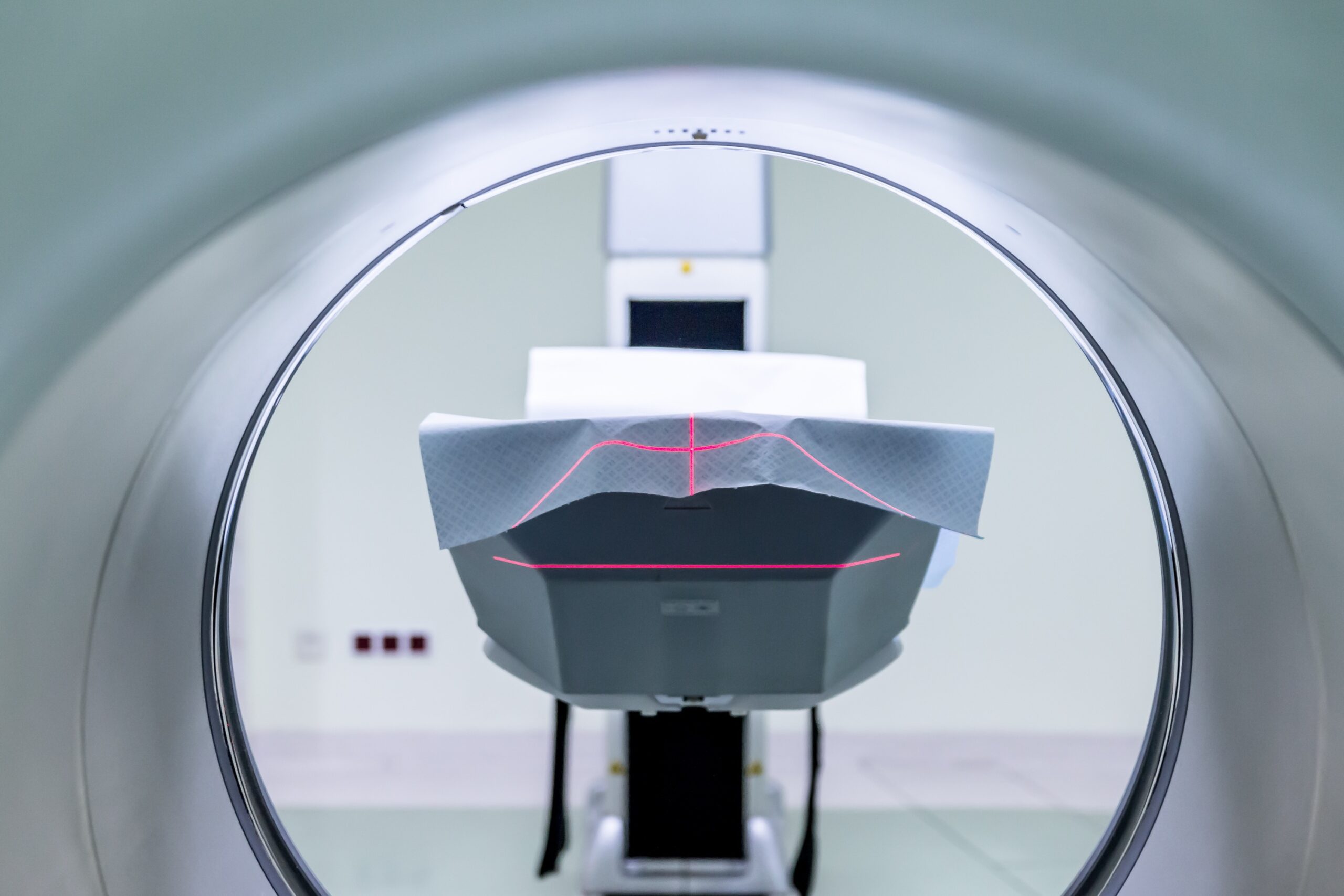
Magnetic Resonance Imaging (MRI) machines play an important role in modern medical diagnosis by producing detailed images of internal organs, soft tissues, joints, the brain, and the spinal cord. Across India, hospitals, diagnostic centers, and specialized imaging facilities are increasingly investing in advanced MRI technology to improve diagnostic accuracy, patient comfort, and scanning efficiency. Modern MRI systems use powerful magnetic fields, radiofrequency pulses, and advanced computer processing to create detailed images without using ionizing radiation. These machines are widely used for detecting neurological disorders, spinal conditions, sports injuries, joint problems, tumors, and several other medical conditions.
The Indian healthcare market offers MRI systems from internationally recognized manufacturers, including Siemens Healthineers, GE HealthCare, Philips, Canon Medical Systems, and United Imaging. These companies provide different MRI configurations, magnetic field strengths, and imaging technologies to meet the requirements of small diagnostic centers, multispeciality hospitals, and large medical institutions. Selecting a quality MRI machine requires careful evaluation of image quality, scanning speed, software capabilities, patient comfort, installation requirements, maintenance support, and overall operating costs. Here are some leading MRI machine brands and systems available in the Indian healthcare market.
1. Siemens Healthineers MAGNETOM Sola 1.5T MRI
Siemens Healthineers is one of the leading manufacturers of advanced MRI systems. Its MAGNETOM Sola 1.5T MRI scanner is designed for hospitals and diagnostic centers that require reliable imaging, efficient workflows, and patient-friendly features. The system incorporates BioMatrix technology, which is designed to adapt imaging procedures to individual patient characteristics. It also supports advanced imaging applications and automated workflow features to help radiology teams perform examinations efficiently. With its 70 cm open-bore design, MAGNETOM Sola can be considered by healthcare facilities looking for a modern 1.5T MRI system for routine and specialized clinical applications. Siemens Healthineers India+2
2. Siemens Healthineers MAGNETOM Vida 3T MRI
MAGNETOM Vida is a premium 3T MRI system designed for hospitals requiring advanced imaging capabilities and detailed diagnostic information. It uses BioMatrix technology and supports demanding clinical applications across different medical specialties. The 3T magnetic field strength can be useful for applications where high-resolution imaging and detailed tissue visualization are required. Its advanced gradient and imaging technologies support neurological, musculoskeletal, abdominal, and cardiovascular examinations. MAGNETOM Vida is an option for large hospitals and specialized imaging centers looking to invest in a high-performance MRI system. Siemens Healthineers India+1
3. GE HealthCare SIGNA Artist 1.5T MRI
GE HealthCare offers a range of MRI systems designed for different clinical requirements. The SIGNA Artist 1.5T MRI is a premium system that focuses on imaging performance, patient comfort, and workflow efficiency. It features a 70 cm wide-bore design and supports up to 128 RF channels, depending on configuration. Its digital imaging technology and specialized coils help support different types of clinical examinations. Hospitals can consider this system for routine diagnostic imaging as well as specialized applications involving neurological, orthopedic, and abdominal imaging. GE HealthCare (India)+1
4. GE HealthCare SIGNA Voyager 1.5T MRI
The SIGNA Voyager is another MRI system in GE HealthCare’s 1.5T portfolio. It is designed to support hospitals and diagnostic centers that require a balance between imaging capabilities, patient comfort, and operational productivity. Its wide-bore configuration is intended to make examinations more comfortable for a range of patients. Depending on the selected configuration and available applications, the system can support imaging requirements across multiple clinical specialties. Healthcare facilities considering this model should evaluate its software packages, coil options, gradient performance, and service arrangements before purchasing. GE HealthCare (India)+1
5. Philips Ingenia Ambition 1.5T MRI
Philips is widely recognized for its medical imaging technologies and MRI solutions. The Ingenia Ambition 1.5T MRI is known for its BlueSeal magnet technology, which uses a sealed magnet design requiring a very small amount of liquid helium compared with conventional MRI magnet systems. This technology is designed to reduce dependence on conventional helium replenishment and support operational efficiency. The system also incorporates imaging and workflow technologies intended to improve scanning processes and patient experience. It can be considered by hospitals and diagnostic centers looking for a modern 1.5T MRI system with a focus on operational convenience and clinical performance. Philips+1
6. Philips MR 7700 3T MRI
Philips MR 7700 is a high-performance 3T MRI system designed for advanced clinical imaging and specialized research applications. It is included in Philips’ 3T MRI portfolio and is intended to support detailed examinations across several medical specialties. A 3T system can offer advantages for selected neurological, musculoskeletal, oncology, and cardiovascular imaging applications, depending on the clinical protocol and patient requirements. The MR 7700 is an option for larger hospitals, academic medical centers, and specialized diagnostic facilities that need advanced imaging capabilities. Before purchasing, healthcare providers should assess the available clinical applications, software packages, coils, and installation requirements. Philips+1
7. Canon Medical Systems Vantage Orian 1.5T MRI
Canon Medical Systems offers MRI systems designed to support clinical performance, patient comfort, and efficient imaging workflows. The Vantage Orian 1.5T MRI uses intelligent imaging technologies and automation features to support different diagnostic examinations. Its features include AiCE deep-learning reconstruction, PIQE technology, automated workflow tools, and a 71 cm wide-bore design. Canon also highlights quiet scanning technologies and patient-friendly features intended to improve the MRI experience. This model can be considered by hospitals and diagnostic centers looking for a modern 1.5T scanner with advanced imaging and workflow capabilities. Canon Medical Systems India Private Limited+1
8. Canon Medical Systems Vantage Galan 3T MRI
The Vantage Galan 3T is a premium MRI system designed for healthcare facilities requiring advanced imaging performance and specialized clinical applications. It combines 3T imaging technology with advanced magnet, gradient, and radiofrequency systems. Its features are designed to support detailed diagnostic examinations and improve the overall imaging experience for patients and radiology professionals. The system may be suitable for hospitals that perform a high volume of complex neurological, musculoskeletal, abdominal, and other specialized MRI examinations. Its actual capabilities depend on the selected configuration, software, and clinical applications installed at the facility. Canon Medical Systems India Private Limited+1
9. United Imaging uMR 680 1.5T MRI
United Imaging Healthcare is another manufacturer offering MRI systems for hospitals and diagnostic centers. Its uMR 680 is part of the company’s 1.5T MRI portfolio and is designed to support routine and advanced clinical imaging requirements. United Imaging also highlights its uAIFI artificial intelligence platform, which is intended to support image processing and imaging workflows across its MRI product family. Healthcare providers considering this system should review its imaging performance, available clinical applications, software capabilities, service support, and local installation arrangements before making an investment. United-Imaging Healthcare+1
10. United Imaging uMR 780 3T MRI
The uMR 780 is part of United Imaging’s 3T MRI portfolio and is designed for healthcare facilities looking for advanced imaging capabilities. Its 3T platform supports high-field MRI examinations across different clinical areas, while the company’s uAIFI technology platform focuses on AI-assisted imaging capabilities. The system may be considered by large diagnostic centers, multispeciality hospitals, and medical institutions that require advanced imaging options. Buyers should compare the system’s specifications, gradient performance, RF coil selection, imaging applications, and technical support arrangements with other available 3T MRI systems before choosing it. United-Imaging Healthcare+1
Factors to Consider When Choosing a Top-Quality MRI Machine in India
Selecting a high-quality MRI machine requires careful evaluation of clinical requirements, technical specifications, and long-term operating expenses. The first important factor is magnetic field strength, which is generally measured in Tesla (T). Common clinical MRI systems include 1.5T and 3T scanners. A 1.5T MRI machine is widely used for routine diagnostic imaging and many specialized examinations, making it suitable for a broad range of hospitals and diagnostic centers. A 3T MRI system can provide higher signal-to-noise performance and may support more detailed imaging for selected clinical applications. However, a higher Tesla rating does not automatically mean that a machine is better for every patient or examination. The appropriate system depends on the intended clinical use, imaging protocols, and radiologist’s requirements.
Image quality is another essential consideration. Hospitals should evaluate the MRI system’s gradient performance, radiofrequency channels, coils, reconstruction software, and available imaging sequences. Advanced technologies such as AI-assisted image reconstruction, motion correction, compressed sensing, and automated scanning workflows can support image quality and operational efficiency. Patient comfort should also be considered. Wide-bore designs, quiet scanning features, comfortable patient tables, and appropriate patient positioning can help improve the examination experience, particularly for patients who feel anxious or uncomfortable inside conventional MRI scanners.
Maintenance and after-sales support are equally important when investing in MRI equipment. Hospitals should check the manufacturer’s service network in India, availability of trained engineers, spare parts supply, software updates, warranty coverage, and preventive maintenance arrangements. Installation requirements should also be assessed, including MRI room dimensions, magnetic shielding, electrical infrastructure, cooling systems, and site preparation. The total cost of ownership should include equipment price, installation, infrastructure, staffing, maintenance, electricity consumption, and any applicable helium-related requirements.
Difference Between 1.5T, 3T, and 7T MRI Machines
MRI machines are available in different magnetic field strengths, and each category has its own clinical applications and operational requirements.
1.5T MRI Machines: These systems are widely used in hospitals and diagnostic centers because they support a broad range of routine and specialized examinations. They are commonly used for brain, spine, joint, abdominal, and musculoskeletal imaging. They can be a practical choice for healthcare facilities that need a versatile MRI system for everyday diagnostic requirements.
3T MRI Machines: These systems use a stronger magnetic field and can provide higher signal-to-noise performance, which may support more detailed imaging and shorter scan times in selected applications. They are often considered by large hospitals, specialized imaging centers, and research institutions. However, they may require more careful management of certain imaging artifacts and patient-specific considerations.
7T MRI Machines: Ultra-high-field 7T systems are primarily used in specialized clinical and research environments. They can provide highly detailed imaging for selected neurological and research applications. These machines are not a standard replacement for routine 1.5T or 3T clinical scanners and require specialized infrastructure, protocols, and expertise.
Leading MRI Machine Manufacturers in India
India’s MRI equipment market includes several international manufacturers offering different technologies and system configurations. Siemens Healthineers provides the MAGNETOM MRI portfolio, including 1.5T, 3T, and specialized 7T systems. GE HealthCare offers its SIGNA MRI range, with different models designed for routine and advanced imaging requirements. Philips provides Ingenia and MR series systems, including its BlueSeal magnet technology. Canon Medical Systems offers the Vantage MRI portfolio, while United Imaging Healthcare provides uMR systems across different magnetic field strengths.
Each manufacturer offers different combinations of imaging technology, patient comfort features, software applications, and service arrangements. Rather than selecting a machine based only on its brand name, hospitals should compare specific models and configurations based on their clinical requirements, budget, and long-term operational needs.
Why Are Advanced MRI Machines Important for Indian Healthcare?
Advanced MRI machines are becoming increasingly important in India’s healthcare sector because they help doctors investigate a wide range of medical conditions through detailed internal imaging. MRI examinations are frequently used in the assessment of brain and spinal disorders, ligament injuries, joint conditions, tumors, abdominal abnormalities, and certain cardiovascular conditions. The technology provides detailed images of soft tissues without using ionizing radiation, making it an important diagnostic tool in modern medicine.
The availability of advanced MRI systems can also support the growth of specialized diagnostic services in metropolitan cities as well as developing healthcare markets. Hospitals and diagnostic centers are investing in modern imaging equipment to improve scanning workflows, support specialized examinations, and expand their diagnostic capabilities. AI-assisted image reconstruction, automated scanning features, and improved patient comfort technologies are also contributing to the development of modern MRI services across India.
Conclusion
India’s healthcare market offers several advanced MRI machines from leading manufacturers, including Siemens Healthineers, GE HealthCare, Philips, Canon Medical Systems, and United Imaging Healthcare. Models such as Siemens MAGNETOM Sola and Vida, GE SIGNA Artist and Voyager, Philips Ingenia Ambition and MR 7700, Canon Vantage Orian and Galan, and United Imaging uMR 680 and uMR 780 provide different imaging capabilities for hospitals and diagnostic centers. The best MRI machine depends on the medical specialties served, required magnetic field strength, image quality, patient comfort, software features, infrastructure, and maintenance support. Healthcare providers should compare complete technical specifications and consult qualified radiology professionals before investing in an MRI system.
SEO Details
SEO Title: Top Quality MRI Machines in India: Leading Brands and Models
Meta Description: Explore top-quality MRI machines in India from Siemens, GE HealthCare, Philips, Canon, and United Imaging. Compare 1.5T and 3T systems, advanced features, and MRI technology.
Focus Keyword: Top quality MRI machines in India
Secondary Keywords: Best MRI machines in India, MRI machine manufacturers in India, 1.5T MRI machine, 3T MRI machine, advanced MRI scanners, Siemens MRI machine, GE MRI machine, Philips MRI machine, Canon MRI machine, hospital MRI equipment.
Suggested URL Slug: top-quality-mri-machines-in-india
Suggested FAQs
1. Which are the leading MRI machine brands in India?
Some leading MRI machine manufacturers serving the Indian market include Siemens Healthineers, GE HealthCare, Philips, Canon Medical Systems, and United Imaging Healthcare.
2. Which MRI machine is better, 1.5T or 3T?
Both have important clinical applications. A 1.5T MRI machine is suitable for many routine and specialized examinations, while a 3T MRI can offer higher signal-to-noise performance for selected advanced imaging applications. The right choice depends on the examination and clinical requirements.
3. What is the difference between an MRI and a CT scan?
MRI uses strong magnetic fields and radiofrequency energy to create images, particularly of soft tissues. CT uses X-rays to produce cross-sectional images and is often used for evaluating bones, certain injuries, and emergency conditions. The appropriate examination depends on the patient’s medical condition.
4. Are AI-powered MRI machines available in India?
Yes. Several MRI manufacturers offer systems with AI-assisted image reconstruction, automated workflows, and advanced image-processing technologies. Specific features depend on the model and configuration.
5. What factors affect the price of an MRI machine in India?
The price depends on magnetic field strength, manufacturer, model, configuration, software packages, RF coils, installation requirements, warranty, and service agreements. Hospitals should request a detailed quotation from the manufacturer or authorized supplier.
6. Which MRI machine is suitable for a multispeciality hospital?
A 1.5T MRI system may be suitable for many multispeciality hospitals because of its versatility across routine and specialized examinations. Hospitals with higher-volume or advanced imaging requirements may also consider a 3T system after evaluating their clinical needs and budget.
7. What is the importance of after-sales service for MRI machines?
Reliable after-sales service helps maintain equipment performance, reduce unexpected downtime, and support safe and efficient operations. Hospitals should evaluate engineer availability, spare parts, preventive maintenance, software support, and warranty terms before purchasing.
8. Are 7T MRI machines commonly used in Indian hospitals?
7T MRI systems are specialized ultra-high-field machines primarily intended for selected advanced clinical and research applications. They are not commonly used as standard scanners for routine diagnostic imaging.